Contract Playbook Design for Sales and Procurement Teams
A playbook lets business teams approve routine contracts without waiting for legal on every deal.

A procurement manager opens a vendor agreement and finds a limitation of liability clause set well above what the company normally accepts. No one has told this person whether that number is negotiable, who can approve a change, or what the fallback language should say. The manager has two choices: stall the deal while hunting down someone in legal, or accept the term and hope it doesn't matter later. That moment, repeated across hundreds of contracts a year, is what a contract playbook is built to eliminate.
The structural bottleneck created by limited legal bandwidth
Legal teams operate with a fixed amount of time and attention, but the volume of deals and vendor agreements moving through a growing company has no such ceiling. Every routine contract that needs a lawyer's eyes adds delay by default, because there are only so many hours and only so many people qualified to make the call. When legal has to touch every agreement, sales waits on signature, deals slip past quarter-end, and the business users under pressure to close start writing their own language to get past the holdup. That improvisation is where inconsistent risk enters the portfolio, one deal at a time, often without anyone noticing until a dispute surfaces years later.
This is not a staffing problem that more hiring solves cleanly. Legal expertise lives in the heads of a handful of individuals, and that kind of concentrated knowledge cannot scale to match contract volume unless it gets turned into something repeatable. Without a documented standard, different reviewers accept different terms for the same type of clause, approvals stall because nobody is sure who has authority to sign off on a deviation, and spending on outside counsel climbs to resolve questions that a clear, pre-approved position could have settled in minutes. Sales is often rewarded for closing fast, precisely in the areas where legal sees the most exposure, which produces a real organizational tension underneath the operational friction. Without a shared framework that both sides have already agreed to, that tension plays out as friction on every single deal, instead of being settled once, in advance.
Defining a contract playbook versus a template
A contract playbook is a working guide that tells both legal and business teams how to review, negotiate, and approve contracts: it lays out preferred language, acceptable fallback positions, rules for when to escalate, and the risk thresholds that separate a routine deviation from a serious one. People frequently use the word "playbook" when they mean "template," and the conflation causes real damage, because the two documents answer different questions.
A template answers the question of what the contract should say at the outset, giving the team a baseline draft and a structure to start from. A playbook answers the question of how to respond once that draft comes back marked up: how to react to a counterparty's redlines, which deviations are acceptable and under what conditions, and which fallback position to offer the other side. Most organizations need both documents, and they serve sequential purposes. The template gives you something to send out the door. The playbook tells you what to do the moment it lands back on your desk with changes.
Many legal teams keep the playbook next to a clause library, and the two work as a pair. The clause library stores the actual approved language, the sentences and paragraphs a reviewer can drop into a draft. The playbook explains when to reach for which clause and why one fallback is preferable to another in a given situation. Over time, this pairing produces a quieter benefit that compounds: new hires can learn the team's negotiation standards directly from the playbook, rather than needing months of shadowing a senior attorney to absorb judgment calls that, until now, existed only in that attorney's head.
The core components every playbook must contain to function as a decision tool
A playbook that only lists preferred clauses is a reference document, useful for looking things up but useless for actually making a call under time pressure. It becomes a decision tool only when every clause in it carries three things together: a preferred position, a pre-approved fallback, and a clear line marking where escalation becomes mandatory. Each of these three pieces closes off a different way the process can break down, and leaving any one out reopens the exact bottleneck the playbook exists to close.
Start with the preferred, or standard, clause. For each one, legal should write down the exact clause text the company wants to use, the reasoning behind why that position is preferred, and a risk rating, low, medium, or high, attached to any deviation from it. When the playbook is meant for non-lawyers, like deal desk staff, plain-language summaries of the denser clauses matter enormously, since the point is to let someone without legal training make a sound first-pass decision.
Fallback positions are the pre-approved alternatives that let a negotiation keep moving without a trip to legal for every routine concession. Precision matters enormously here. The gap between "best efforts" and "reasonable efforts" is a distinction many transactional attorneys treat as material in commercial drafting. "Reasonable efforts" is generally understood to mean doing what a reasonable person would do given the circumstances, while "best efforts" sets a higher bar, requiring the pursuit of all reasonable methods available, though courts in many jurisdictions have actually treated the two phrases as interchangeable in practice. Writing that distinction into the playbook once means an attorney never has to re-research it on the next ten deals. Picture that procurement manager again, staring at the inflated liability cap. With a playbook in hand, the manager checks the fallback language, finds a pre-approved alternative already drafted and cleared, sends it to the vendor, and the deal keeps moving without anyone needing to escalate.
Escalation triggers mark the edge of a negotiator's authority. Once every pre-approved fallback has been rejected by the other side, the playbook has to say exactly who is allowed to approve something beyond that. Common triggers include any change to indemnification language, any new obligation around data processing, or any attempt to broaden the definition of confidential information. These triggers keep a reviewer from quietly accepting a position outside their mandate, and they make sure that the deals carrying real stakes get the senior attention they require.
None of this works in isolation from the approval workflow, which documents who has to review and sign off at each stage, tying the playbook to the actual mechanics of contract approval instead of leaving it as a document people consult but never follow. A red-flag checklist belongs alongside the clause guidance too, listing terms that should never be accepted without a senior lawyer's review, unlimited liability and broad IP assignment being two of the clearest examples. Finally, amendment guidance covers what happens after the signature, when a contract needs to change mid-term. Most first-generation playbooks skip amendment guidance, and teams almost always discover they needed it once contracts start aging into renewal and modification.
Playbook design priorities for sales teams versus procurement teams
One playbook written to serve everyone equally tends to serve no one well. Sales needs guidance built for speed, something that lets a rep or deal desk staffer handle a routine negotiation on the first pass without pulling legal in. Procurement needs guidance built for consistency, something that holds the line on non-negotiable protections across a high volume of vendor deals, regardless of who happens to be running the review that week.
For sales, the dominant problem is delay, and a playbook built for that team exists to cut down legal's review time by making first-pass handling possible through pre-approved fallback positions. Picture a deal desk team working the final hours before quarter-end close, staring at a last-minute redline from the customer's counsel. With direct access to legally approved fallback language, that team can respond to the counterparty in real time, work the issue directly with sales, and keep the deal moving without stopping to escalate over a clause that's already been cleared in advance. Guidance aimed at sales works best in plain language, paired with objection responses: pre-written, approved answers to the pushback that comes up repeatedly in negotiation. That consistency matters because it keeps every negotiator giving the same answer to the same objection, instead of six people improvising six different responses. The natural place to start a sales playbook is with the agreement types that carry the most time pressure and the most revenue weight, MSAs and SOWs in particular, since delays on those contracts hit revenue recognition directly.
Procurement's dominant problem is variance. A playbook built for procurement exists to make sure vendor agreements consistently cover the things that matter, data privacy, indemnification, and termination provisions, no matter which reviewer happens to handle a given contract. Financial obligations deserve their own section in a procurement playbook: payment terms, liability caps, and service-level requirements need consistent treatment, because inconsistency there becomes visible only at reconciliation or during an audit, long after the deal has closed and the damage is harder to unwind. Jurisdiction preference is a good concrete example of how to make a rule operational instead of vague: prefer the company's home jurisdiction as the default position, but accept the counterparty's jurisdiction for enterprise accounts above a defined revenue threshold. The threshold is what turns a judgment call into a rule someone can apply consistently.
NDAs tend to be the right starting contract type for legal operations in general, since they're high-volume, relatively simple, and give a team an early, visible win from having pre-approved fallback language ready to go. For procurement specifically, though, vendor agreements and MSAs matter more operationally, since that's where the financial and liability exposure actually concentrates. Both teams share a design principle despite their different priorities: consistent negotiation standards reduce enterprise risk and shorten cycle times. Consistent" carries a different weight depending on whether the team is judged on deal velocity or on vendor compliance, and a playbook has to account for that difference.
Scoping and sequencing a playbook build to deliver value before completion
The most common way to kill a playbook project is to scope it too broadly at the start. A document meant to cover every contract type and every clause variation tends to take so long to build that it either never ships or ships so bloated that nobody reads it. The builds that actually succeed start with one contract type, prove their value fast, and expand only once that value is visible.
Pick a single contract type to begin with, usually an NDA, an MSA, or a vendor agreement. Audit the contracts already on file to see which clauses get negotiated most often and where past disputes have actually occurred, and only then start writing down the standard positions, adding fallback language afterward once the standards are settled. The right place to start is wherever two conditions overlap: enough volume that standardizing the language pays off almost immediately, and enough risk at stake that letting the inconsistency continue is genuinely costly. A contract type that's high-volume but low-stakes doesn't justify the build effort yet, and a contract type that's high-stakes but rare doesn't produce enough repetition to make standardization worth the investment.
Running the audit before drafting anything matters more than it sounds. Existing contract repositories and contract analytics tools can show exactly which clauses get fought over most, giving a legal operations team a concrete starting point for the fallback options they write, rather than guessing at what negotiators actually need. The approval workflow has to be built into the playbook from day one, not bolted on afterward, so the escalation path is already defined before the first user hits a deviation that requires one. Where the playbook will serve people without legal training, plain-language summaries need to sit right alongside the clause text, so a business user can apply the guidance without calling legal for an interpretation on every point.
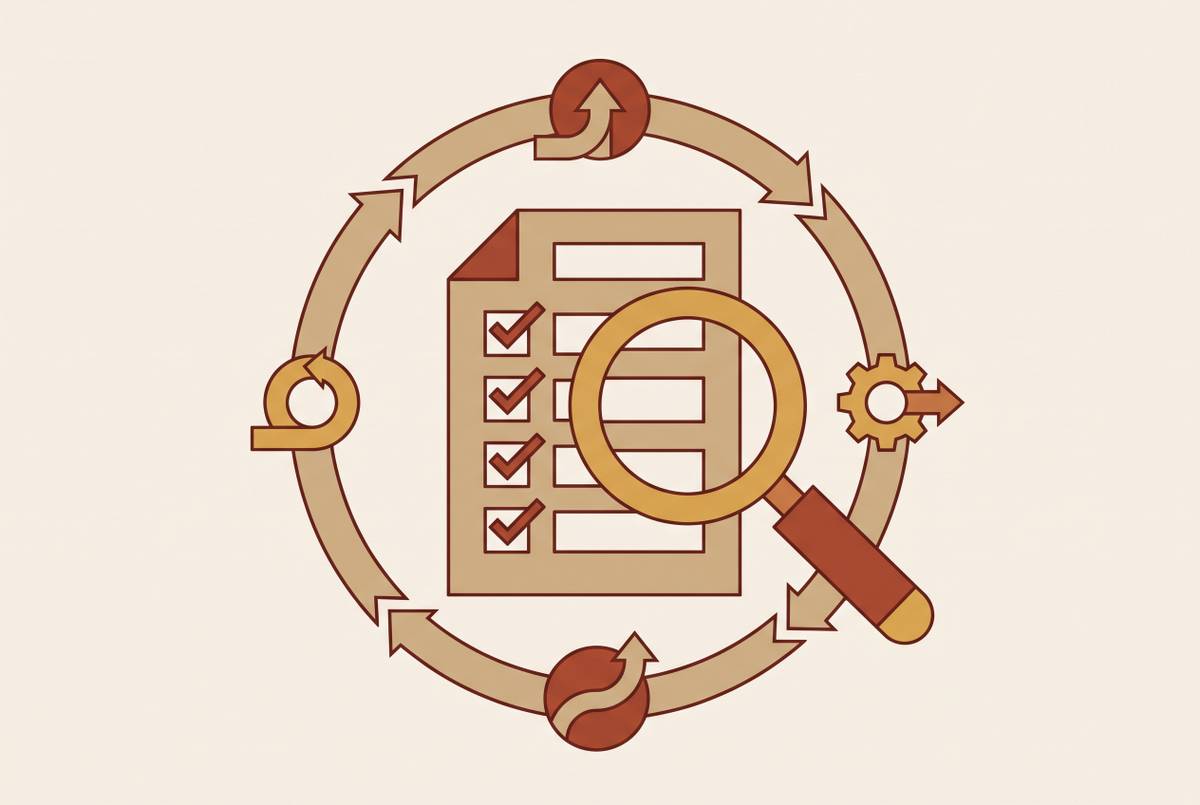
Someone has to own the document once it exists, typically a legal operations lead, accountable for collecting feedback from sales and procurement, tracking how negotiations actually play out against the fallback positions, and keeping the playbook from growing into the same unusable sprawl it was built to replace. A playbook finished today starts drifting out of date the moment regulations shift or a new deal type appears, a governance problem the next stage of the process has to solve.
Embedding the playbook into CLM workflows governs what actually happens.
A playbook sitting in a shared drive, however well written, is still a policy document that someone has to remember to open. The same playbook built directly into a contract lifecycle management system becomes an enforcement mechanism instead, and that difference decides whether the playbook actually shortens review cycles or simply joins the pile of guides nobody consults.
The mechanism is straightforward once it's in place. A CLM system takes the rules written into the playbook, the standardized clauses, the negotiation guidance, the escalation paths, and embeds them directly into the drafting and review process itself, so the guidance appears at the exact moment someone needs to make a call, instead of requiring that person to go looking for it in a separate document. At the drafting stage, AI-assisted CLM tools pull from the clause library to suggest pre-approved, compliant language as the document is being built. At review, the system checks the submitted draft against the corporate playbook and flags wherever it deviates, so a reviewer isn't stuck reading every page of every contract looking for the one clause that's out of line.
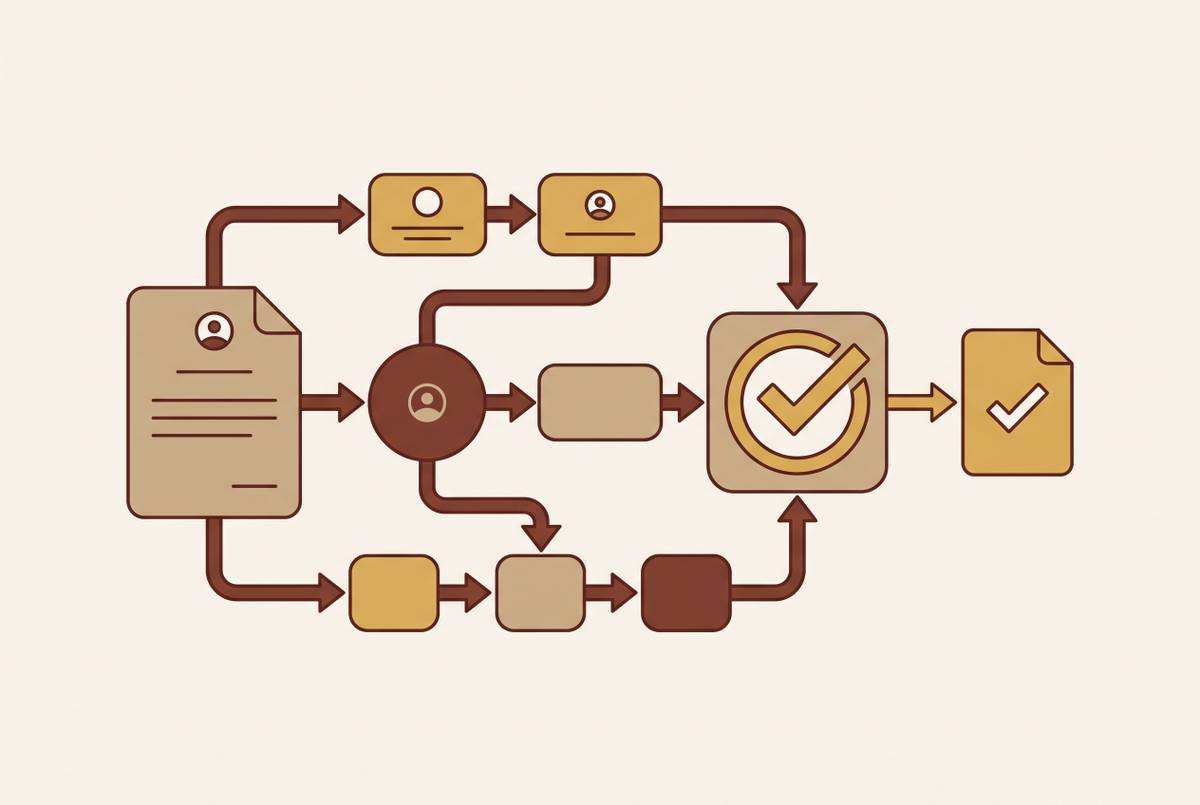
That shift changes what legal review actually consists of. Instead of reading entire agreements end to end, legal moves to reviewing only the deviations the system has flagged, spending attention on the exceptions instead of the routine language that already matches the approved standard. Approval routing follows the same logic: contracts that fall within the playbook's parameters move forward without a legal touch at all, while contracts carrying flagged deviations route automatically to whichever reviewer the escalation triggers specify.
This becomes especially visible when a CRM and a CLM system work as one connected process. When Salesforce and a CLM platform operate together, the quote-to-signed-contract workflow closes into a single loop: Opportunity fields feed directly into error-free contract documents, approvals happen inside the CRM workflow itself, and signed agreements come back with structured metadata that syncs across both platforms, making contract data visible across the entire revenue lifecycle. Docusign's IAM platform is built around exactly this kind of embedded workflow. Its tools, including Agreement Manager, CLM, and Workflow Builder, all run on Iris, Docusign's underlying AI engine, connecting the playbook's standards to drafting, negotiation, approval, and signature inside one environment rather than scattering them across disconnected tools.
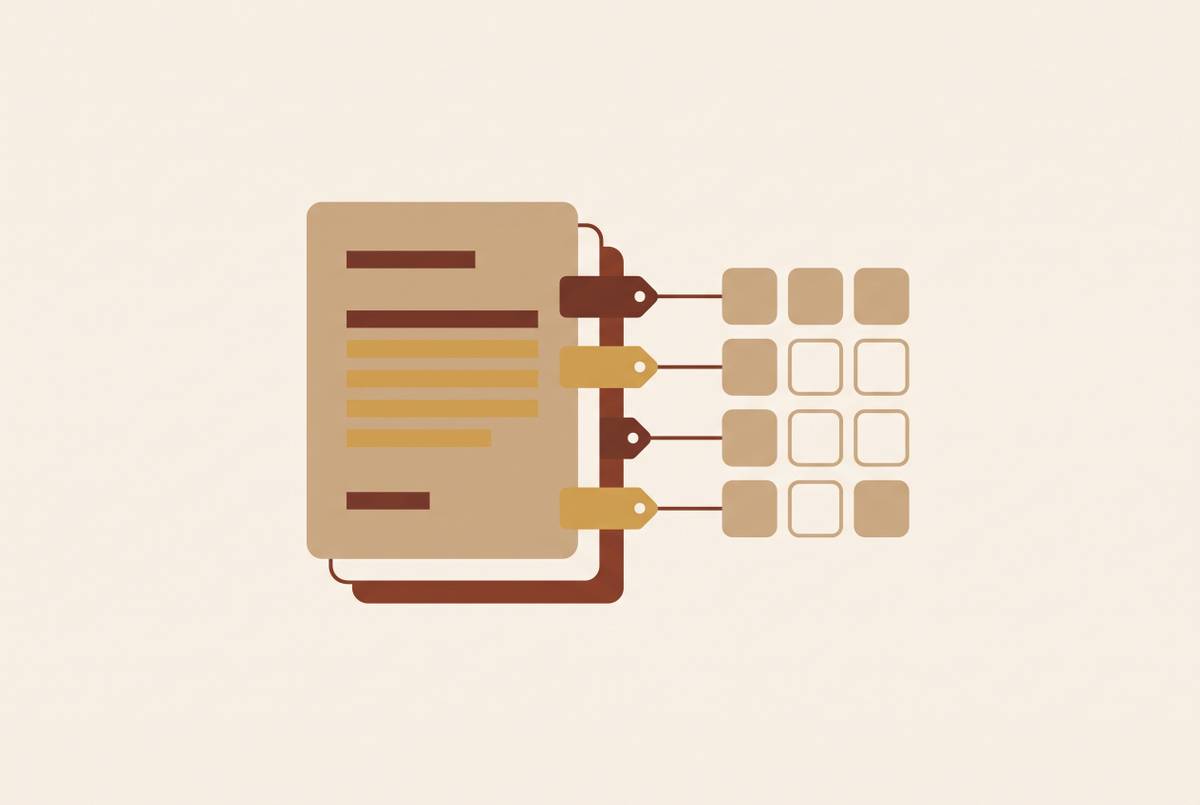
None of this functions, though, without groundwork laid before any CLM integration happens. Clause taxonomy has to be standardized first: every clause tagged with a consistent, controlled label, covering liability, indemnification, termination, governing law, and renewal, and enforced as a required field. If that step is skipped, the CLM system has nothing reliable to check a draft against. Get it right, and the playbook stops being a document people are supposed to remember to consult. It becomes the structure the contract process runs on.